

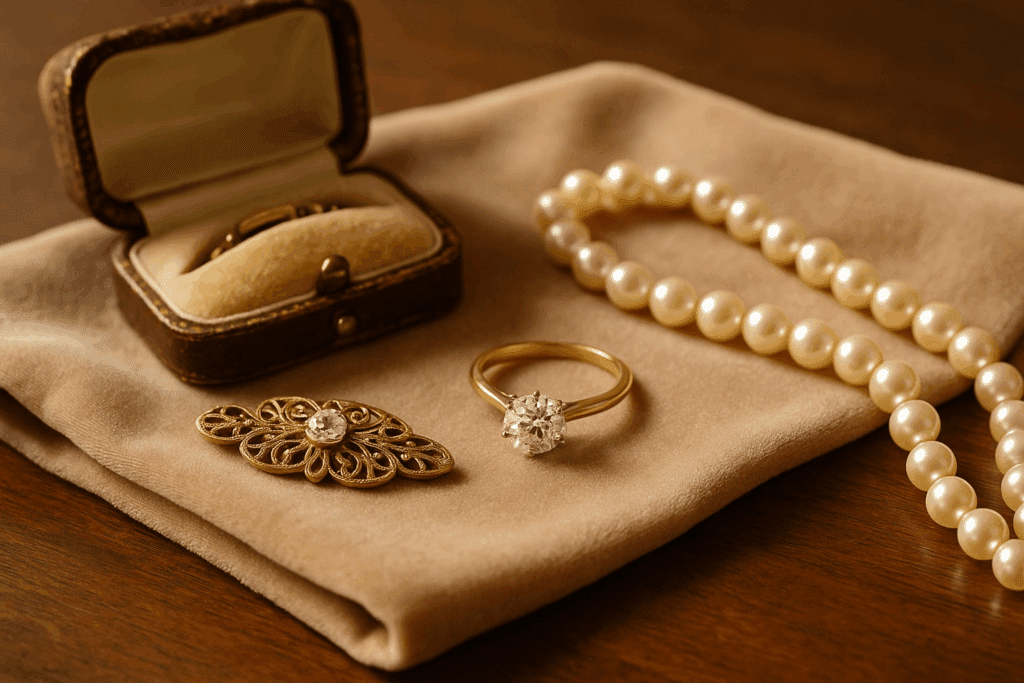
Heirloom jewelry represents more than just financial value; it is a physical link to the past, carrying stories of ancestors and milestones through generations. Whether it is a Victorian-era brooch, a mid-century engagement ring, or a string of natural pearls from a grandmother, these pieces require specialized care to ensure they remain in pristine condition for the next generation. Unlike modern mass-produced jewelry, antique and vintage pieces often utilize delicate settings, organic materials, and forgotten goldsmithing techniques that can be easily damaged by harsh chemicals or modern ultrasonic cleaners.
Taking care of these treasures at home involves a delicate balance of gentle cleaning and proactive preservation. By understanding the specific needs of different gemstones and metals, you can maintain the brilliance of your collection without risking the structural integrity of the pieces. Proper maintenance ensures that the patina of history is preserved while the inherent beauty of the craftsmanship shines through.
Understanding the Vulnerability of Antique Settings
Before any cleaning process begins, it is vital to inspect the structural health of the jewelry. Over decades or centuries, the metal prongs that hold gemstones in place can wear down or become brittle. This is especially true for gold and silver, which are relatively soft metals. Using a magnifying glass or a jeweler loupe, look closely at each stone to ensure it does not wiggle within its setting.
Antique jewelry often features closed-back settings or foil-backed stones. In these designs, a thin sheet of metallic foil was placed behind the gemstone to enhance its brilliance or color. If moisture seeps behind these stones, it can cause the foil to oxidize or discolor, permanently ruining the look of the piece. For this reason, immersion in water should be avoided for any jewelry where you cannot see the back of the gemstone. Instead, these pieces should be cleaned only with a slightly damp, soft cloth.
The Essential Toolkit for Safe Home Cleaning
Cleaning heirloom jewelry does not require expensive machinery. In fact, many professional jewelers advise against using home ultrasonic cleaners for antiques because the high-frequency vibrations can shake loose small accent stones or shatter gems with internal inclusions like emeralds. A safe home cleaning kit should consist of the following basic items:
-
Mild Dish Soap: Use a basic, fragrance-free, and dye-free soap. Avoid anything labeled as antibacterial or heavy-duty, as these often contain chemicals that can react with certain metals.
-
Soft-Bristled Toothbrush: A baby toothbrush is ideal because the bristles are extra soft. This allows you to reach into the intricate filigree and undercarriage of the setting without scratching the metal.
-
Lint-Free Microfiber Cloths: These are essential for drying and polishing. Avoid using paper towels or tissues, which contain wood fibers that can cause microscopic scratches on soft stones and gold.
-
Distilled Water: Tap water often contains chlorine or minerals that can leave spots or cause a chemical reaction over time. Distilled water provides a neutral cleaning environment.
-
Wooden Toothpicks: These are helpful for gently dislodging impacted dust or lotion buildup in tight crevices without scratching the surface of the jewelry.
Step by Step Cleaning Process for Diamonds and Hard Stones
Diamonds, sapphires, and rubies are among the most durable gemstones, making them relatively easy to clean at home. However, the metals they are set in, such as high-karat gold or platinum, still require a gentle touch.
Begin by filling a small bowl with lukewarm distilled water and adding a few drops of mild dish soap. Submerge the jewelry and let it soak for fifteen to twenty minutes. This softens the oils from skin contact and the buildup of everyday environmental dust. After soaking, use the soft toothbrush to gently scrub the piece. Pay special attention to the underside of the stone, as this is where most grime accumulates, blocking light and making the stone appear dull.
Once cleaned, rinse the jewelry in a separate bowl of clean distilled water. Never rinse jewelry directly over an open sink drain, as even the most careful person can drop a slippery ring. After rinsing, blot the piece dry with a microfiber cloth and let it air dry completely on a flat surface before storing it. Residual moisture trapped in small gaps can lead to tarnishing or skin irritation when worn.
Special Considerations for Organic and Soft Gemstones
Heirloom pieces frequently feature organic materials like pearls, coral, amber, or ivory, as well as soft stones like opals and turquoise. These materials are porous and can be permanently damaged by soap, water, or even the oils in your skin.
Pearls, for instance, are susceptible to acids found in perfume, hairspray, and sweat. They should never be soaked. To clean pearls, simply wipe them with a very soft, barely damp cloth after each wearing. If the silk thread of a pearl necklace becomes soiled, it is best to have it professionally re-strung rather than attempting to wash the string, as wet silk stretches and attracts more dirt.
Opals contain a significant amount of water. If they become too dry, they can crack, a phenomenon known as crazing. Conversely, if they are soaked in water, the liquid can penetrate the stone and alter its play-of-color. Clean opals and turquoise only with a dry or slightly damp cloth and store them away from direct sunlight or heat sources.
Long Term Maintenance and Professional Checkups
Cleaning is only one part of the maintenance equation. How you store and wear your heirloom jewelry determines how long it will last. Jewelry should be stored in a fabric-lined box with individual compartments to prevent pieces from scratching one another. Diamonds, being the hardest natural substance, can easily scratch gold, silver, and other gemstones if they are tossed together in a single pouch.
Furthermore, heirloom jewelry should be the last thing you put on in the morning and the first thing you take off at night. This prevents exposure to cosmetics and reduces the risk of snagging the setting on clothing. Even with the best home care, it is wise to take significant heirloom pieces to a professional jeweler once a year. A professional can check the security of the prongs, perform deep cleaning in areas you cannot reach, and provide a professional polish that restores the metal’s original luster without removing the historical character of the piece.
Environmental Hazards to Avoid
The environment inside your home can also affect your jewelry. High humidity can accelerate the tarnishing of silver and low-karat gold. If you live in a humid climate, consider placing silica gel packets in your jewelry box to absorb excess moisture. Additionally, never store jewelry in plastic bags, as some plastics emit vapors that can chemically react with metals and cause permanent discoloration.
Chemical exposure is perhaps the greatest threat to antique jewelry. Always remove your rings and bracelets before using household cleaning products, swimming in chlorinated pools, or applying hand sanitizer. Chlorine, in particular, can attack the alloys in gold, leading to stress corrosion cracking that can cause a setting to fail entirely.
Frequently Asked Questions
Can I use baking soda or toothpaste to polish my antique silver jewelry?
No, you should avoid these common household items. Both baking soda and toothpaste are abrasive. While they may seem to remove tarnish quickly, they create microscopic scratches on the surface of the metal. Over time, these scratches make the metal look dull and actually cause it to tarnish faster because there is more surface area for oxidation to occur. Use a dedicated silver polishing cloth instead.
What should I do if my heirloom ring has a stone that feels loose?
If you detect any movement in a gemstone, stop wearing the piece immediately. Place it in a secure, sealed container and take it to a jeweler who specializes in antique restoration. Do not attempt to tighten prongs yourself with household pliers, as you risk crushing the stone or snapping the aged metal.
Is it safe to clean cameo jewelry with water?
Most antique cameos are carved from shell or stone. Shell cameos are organic and very sensitive to moisture and chemicals. They can become brittle and crack if they dry out or are exposed to soaps. It is best to clean them only by wiping them with a soft, dry cloth. Some collectors apply a tiny drop of mineral oil to a shell cameo once a year to keep it hydrated, but this should be done with extreme caution.
Why did my vintage gold jewelry turn my skin green or black?
This is usually caused by a chemical reaction between the metal alloys and your skin chemistry or external products like lotions. Antique gold was often alloyed with higher percentages of copper or silver compared to modern gold. If the piece is tarnishing your skin, it likely needs a professional cleaning to remove accumulated oxidation and a checkup to ensure the plating or finish is still intact.
How can I tell if my heirloom jewelry is gold-filled or solid gold before cleaning?
Look for hallmarks on the inside of bands or on clasps. However, many old pieces have had their marks worn away. If you are unsure, treat the piece as if it is gold-filled or plated. This means avoiding aggressive polishing or long soaks, which could strip away the thin layer of gold and reveal the base metal underneath.
Can I use denatured alcohol to clean greasy buildup on diamonds?
While alcohol is effective at removing grease, it should only be used on unmounted diamonds or diamonds set in sturdy, modern platinum or gold. In heirloom jewelry, alcohol can dissolve old adhesives or jewelry cements often used in Victorian or Edwardian pieces to hold small seed pearls or accent stones in place. It is safer to stick with mild soapy water.
How should I store jewelry that contains silk or thread?
Items like pearl necklaces or embroidered jewelry should be stored flat. Hanging them on a jewelry tree causes the silk thread to stretch over time due to the weight of the beads. Storing them flat in a soft pouch prevents stretching and keeps the thread from becoming brittle.

Comments are closed.