

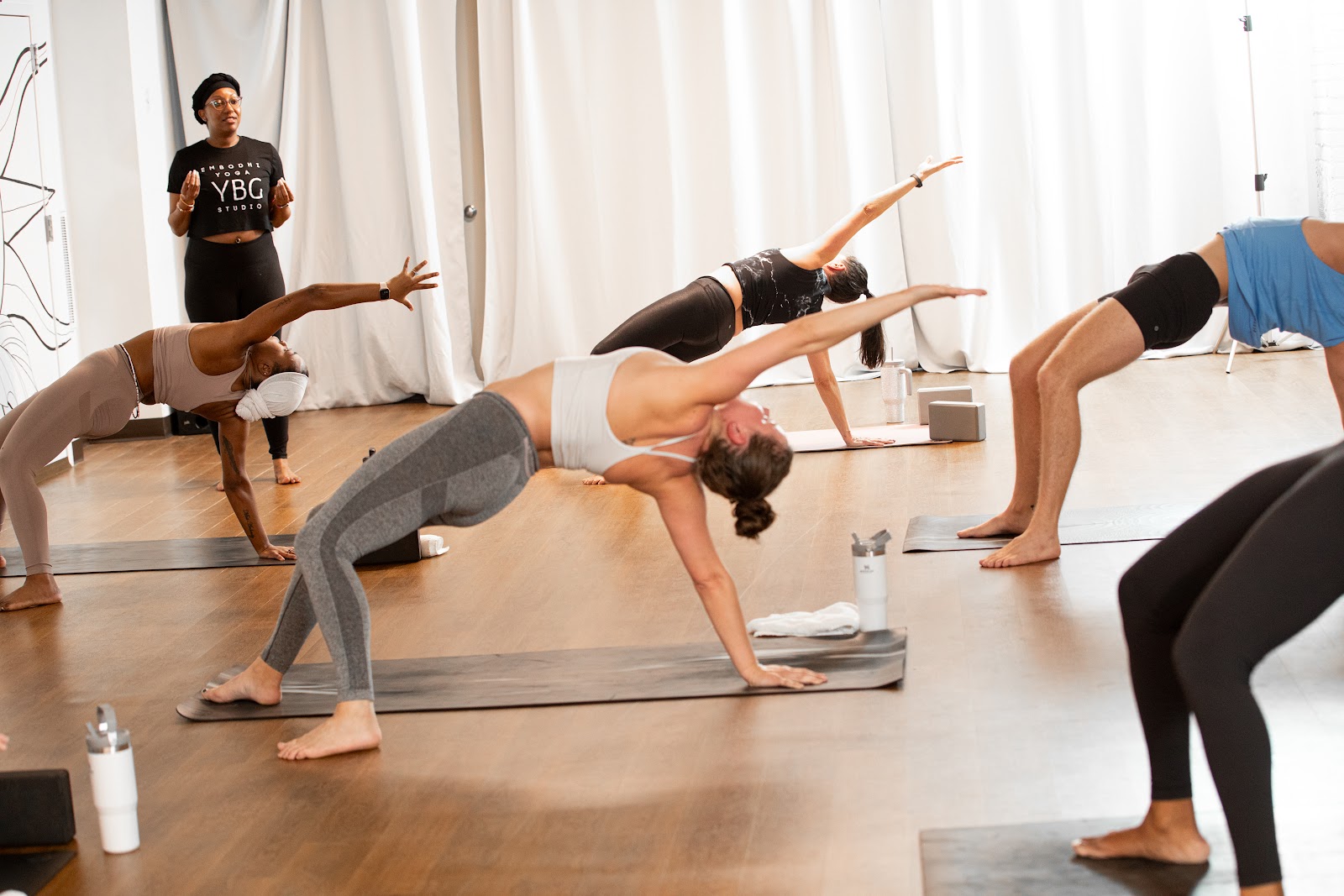
Activewear has become part of everyday style, but its real value is tested during movement. People searching for yoga classes near me often think about schedules and location, but what they wear can also affect comfort, confidence and focus. Functional activewear supports real yoga routines by allowing the body to move without distraction. The best studio-to-street clothing is not only stylish. It performs during class, feels comfortable after practice and fits naturally into a busy day. In Singapore, where people may move from work to class to dinner or errands, practical activewear can make wellness easier to include in daily life.
Why activewear functionality matters
Yoga requires bending, stretching, twisting, balancing and sometimes sweating. Clothing that looks good but shifts constantly, traps heat or restricts movement can interrupt practice. Students should not need to keep adjusting waistbands, pulling down tops or worrying about fabric transparency. Functional activewear helps students focus on breath and movement. It supports the practice rather than calling attention to itself.
Movement-friendly fit
Fit is one of the most important factors. Clothes should stay in place without feeling restrictive. Leggings or shorts should allow hip movement. Tops should support forward folds and inversions without becoming distracting. Waistbands should feel secure but not uncomfortable. A good fit also affects confidence. When students trust their clothing, they can move more freely. This matters especially in group classes, where self-consciousness can affect focus.
Fabric choices in a warm climate
Singapore’s climate makes breathable fabrics important. Activewear should manage sweat, dry reasonably quickly and feel comfortable before and after class. Heavy fabrics may feel unpleasant, especially if the student has plans after practice. Lightweight, stretchable and moisture-managing materials are usually more practical. The fabric should also hold shape over time, since yoga involves repeated stretching and washing.
Features that support real yoga routines
Useful activewear features may include:
- Four-way stretch
- Breathable fabric
- Secure waistbands
- Sweat management
- Non-restrictive seams
- Comfortable support
- Coverage during bends and stretches
These details make clothing more practical for actual practice.
Studio-to-street versatility
Many people do not attend yoga in isolation. They may go before brunch, after work, between errands or before meeting friends. Studio-to-street activewear helps them move through the day without needing a complete outfit change. This does not mean wearing gym clothes everywhere without thought. It means choosing pieces that are clean, polished and easy to layer. A simple jacket, oversized shirt or neat outer layer can make activewear feel more suitable outside the studio.
Style should not compromise comfort
Fashion can make activewear enjoyable, but style should not come at the cost of function. Pieces that are too tight, too delicate or too focused on appearance may not perform well in class. Students should ask whether the outfit supports the movements they actually do. Can they bend comfortably? Can they sit cross-legged? Does the top stay in place? Does the fabric feel breathable? These questions matter more than trends.
The role of confidence
Clothing can influence confidence. When students feel comfortable and appropriately dressed, they may feel more willing to attend class regularly. This is not superficial. Anything that reduces friction can support consistency. However, confidence should not depend on expensive labels. Well-chosen, functional pieces can be simple and still effective.
Sustainability and buying less but better
Activewear shopping can easily become excessive. New colours, seasonal collections and influencer trends encourage constant buying. A more sustainable approach is to buy fewer pieces that perform well and last longer. Quality matters if the clothing is used regularly. Durable fabrics, strong seams and shape retention can reduce the need for frequent replacement. This is better for both budget and sustainability.
Dressing for different class types
Different yoga classes may require slightly different clothing choices. Stronger or warmer classes may need sweat-friendly fabrics. Slower classes may allow softer layers. Mobility-based classes require stretch and comfort. Students should dress for the type of movement, not just the look. A reliable studio environment such as Yoga Edition can help students understand their class preferences over time, which can also guide smarter activewear choices.
Activewear as a support, not the centre
Functional activewear can make yoga more comfortable, but it should not become the main focus. The practice is still about movement, breath and awareness. Clothing should support that experience quietly. When activewear works well, students hardly think about it during class. That is the point. It allows the body to move, the breath to settle and the routine to become easier to maintain.

Comments are closed.