
What to Wear for Fitness HIIT Training: Choosing the Right Gear for Comfort, Performance and Recovery

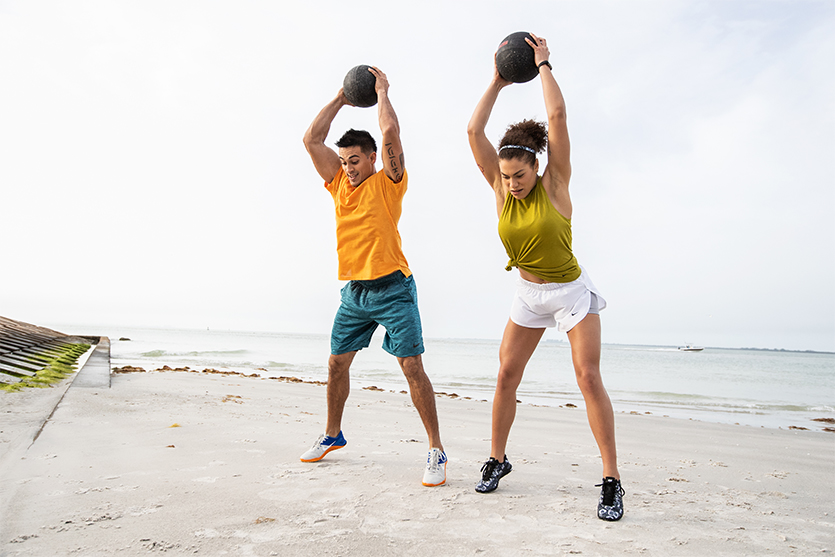
When it comes to achieving results from your workouts, what you wear matters more than most people realise. In fitness HIIT training, every second and every movement counts. The wrong outfit can restrict mobility, trap heat, or even cause injuries, while the right gear enhances comfort, performance, and safety.
HIIT (High-Intensity Interval Training) involves short bursts of vigorous activity followed by recovery phases. During these sessions, your body transitions rapidly between movements, speeds, and positions. That’s why your outfit needs to support agility, wick away sweat, and handle impact — all without distraction.
Whether you’re working out at home, in a studio, or outdoors, dressing smart for HIIT can help you perform better and recover faster.
Why the Right Apparel Matters in HIIT
HIIT is demanding on both muscles and metabolism. It raises your heart rate, increases body temperature, and pushes your limits in short cycles. Wearing inappropriate clothing can lead to overheating, chafing, or restricted movement. Proper workout wear, on the other hand, allows unrestricted motion and effective sweat management.
When you feel comfortable and confident in your attire, you focus more on form and performance rather than discomfort. Beyond appearance, your clothes become an essential performance tool that keeps your body cool and supported.
Key Features to Look for in HIIT Apparel
1. Breathable, Moisture-Wicking Fabric
Sweating is inevitable during HIIT, but staying drenched can lead to skin irritation. Choose materials that draw sweat away from the body and dry quickly.
-
Ideal fabrics: polyester blends, nylon, and spandex
-
Avoid cotton, as it absorbs moisture and becomes heavy
-
Mesh panels improve ventilation, especially around high-heat zones like the back and underarms
2. Flexibility and Stretch
Your clothing should move with you, not against you. HIIT routines often include jumps, squats, lunges, and planks, which require flexibility.
-
Look for 4-way stretch fabrics that retain shape even under tension
-
Seamless designs reduce friction during movement
-
A slight compression fit helps stabilise muscles and improve blood flow
3. Lightweight Comfort
Since HIIT sessions rely on fast transitions, heavy clothing can slow you down. Opt for lightweight tops and shorts or leggings that allow freedom of movement. Minimal bulk equals maximum performance.
4. Proper Fit
Loose clothes can interfere with your form, while overly tight gear may restrict breathing. Choose a fit that feels snug but not suffocating. For leggings or compression shorts, check that the waistband stays secure during dynamic moves.
5. Sweat-Resistant Footwear
Shoes are the foundation of your HIIT performance. The right pair cushions impact, supports quick direction changes, and prevents injury.
-
Look for cross-training shoes with a low heel-to-toe drop for stability
-
Avoid running shoes for HIIT, as their softer soles may reduce balance during lateral movements
-
Ensure adequate grip to prevent slipping during burpees or box jumps
6. Supportive Undergarments
For women, a high-impact sports bra is essential to protect the chest and reduce discomfort during jumping exercises. For men, moisture-wicking compression shorts prevent friction and improve comfort during intense movements.
Dressing for Different HIIT Environments
Not all HIIT sessions happen in the same environment. What you wear should adapt to your surroundings and conditions.
Indoor HIIT or Gym Workouts
Opt for breathable tops and shorts or leggings that provide unrestricted movement. Gyms can heat up quickly during high-intensity classes, so lightweight fabrics are key. Bring a towel for sweat management and a change of clothes if you plan to train during work breaks.
Outdoor HIIT Sessions
When training outdoors, weather becomes a major consideration.
-
Hot conditions: Choose sleeveless tops, light-coloured fabrics, and breathable shorts.
-
Cooler weather: Layer moisture-wicking long sleeves under a windbreaker. Avoid heavy cotton hoodies.
-
Rainy weather: Use quick-dry gear and water-resistant jackets that allow ventilation.
Home Workouts
Comfort is the priority when working out at home. While it’s tempting to train in casual clothes, proper workout wear improves performance and reduces sweat discomfort. Non-slip shoes or barefoot-style trainers work best for stability on indoor flooring.
Accessories That Boost HIIT Performance
Beyond clothes and shoes, accessories play a significant role in enhancing comfort and safety during training.
-
Sweatbands or headbands: Keep sweat out of your eyes.
-
Compression sleeves: Support muscle recovery and circulation.
-
Smartwatch or tracker: Helps monitor intervals, heart rate, and calories.
-
Gloves: Useful for grip when using dumbbells or resistance bands.
-
Hydration bottle: Staying hydrated maintains endurance throughout sessions.
Sustainable HIIT Fashion Choices
With growing awareness of sustainability, eco-friendly activewear is becoming more popular. Many brands now create apparel using recycled polyester, bamboo fibre, or organic cotton. These materials reduce environmental impact without sacrificing performance.
When shopping, check for:
-
Brands with transparent sourcing and ethical production
-
Garments made with recycled or biodegradable materials
-
Long-lasting fabrics that retain quality after multiple washes
Choosing durable pieces not only supports the environment but also offers better long-term value.
Caring for Your HIIT Gear
Proper maintenance extends the lifespan of your workout apparel.
-
Wash gear in cold water to preserve elasticity
-
Avoid fabric softeners, as they reduce sweat-wicking ability
-
Air-dry instead of machine drying to prevent shrinkage
-
Store gear in a dry, ventilated area to avoid odours
Well-maintained clothing feels fresher and performs better during every workout.
The Psychology of Dressing for Performance
Wearing the right workout gear can boost confidence and motivation — a phenomenon known as “enclothed cognition”. When you dress like an athlete, your brain associates the outfit with performance and focus. This subtle psychological trigger can make you push harder during tough intervals.
Your choice of colour also affects mindset. Bright hues like red and orange increase energy and alertness, while blues and greys promote calm concentration. Find colours that align with your training goals and personality.
Where Technology Meets Apparel
Modern activewear now integrates smart fabrics that track metrics such as body temperature, heart rate, and muscle activation. Some fitness enthusiasts use wearable sensors woven into shirts or leggings that sync with mobile apps. These technologies enhance precision, helping users monitor performance in real time.
Smart textiles are particularly beneficial for HIIT, as they detect overheating or posture misalignment, reducing injury risk. While still an emerging field, tech-enhanced gear represents the future of personal fitness training.
Singapore-based fitness studios such as TFX already integrate innovative technology with expert guidance. Their HIIT programmes combine data-driven insights with functional movements, showing how the right gear, combined with professional coaching, creates the ultimate fitness experience.
FAQs
Q. Can I do HIIT barefoot at home?
Only if the floor surface is safe and slip-resistant. Barefoot training helps strengthen foot muscles but should be avoided on hard or uneven floors.
Q. Are compression clothes necessary for HIIT?
Not mandatory, but they enhance circulation, reduce muscle fatigue, and aid recovery after intense sessions.
Q. What type of shoes are best for HIIT classes?
Cross-trainers or shoes with flat soles and firm support. They stabilise the foot during lateral and plyometric moves.
Q. How often should I replace my workout clothes?
Every 6 to 12 months, depending on frequency of use. Signs like fabric thinning or reduced elasticity indicate it’s time to replace them.
Q. Can I wear the same outfit for multiple HIIT sessions without washing?
No. Re-wearing sweaty clothes increases the risk of skin irritation and bacterial growth. Always wash after each session.

Comments are closed.