

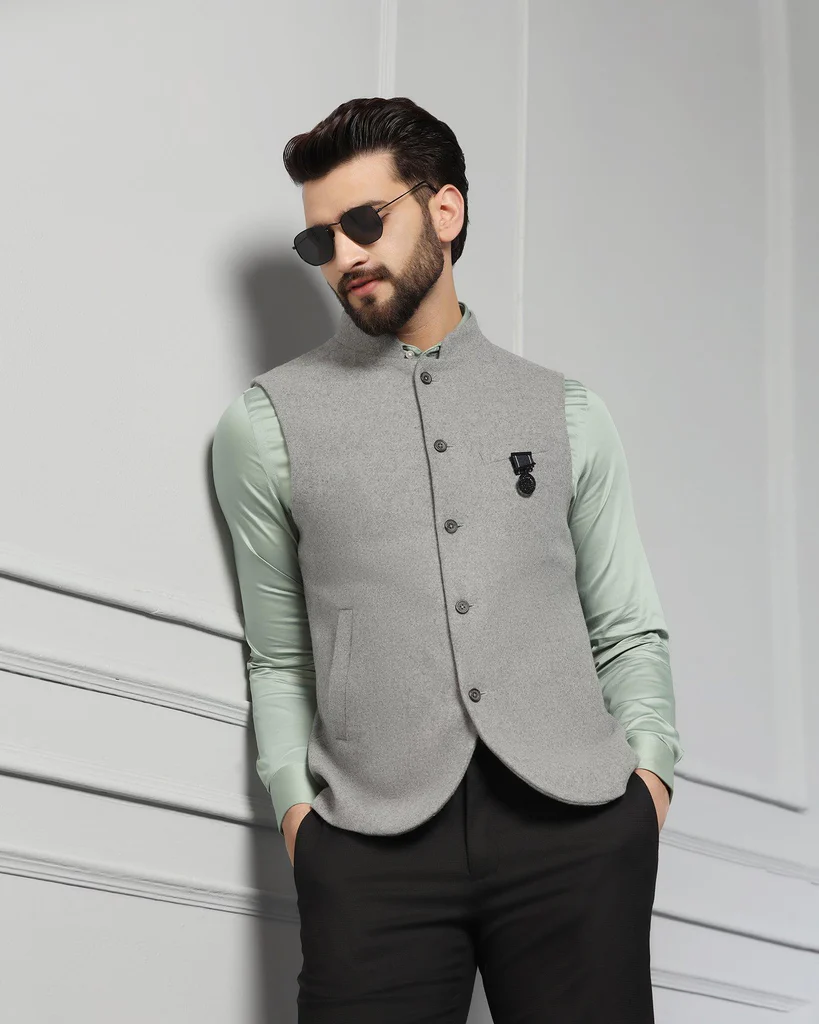
For nearly a century, the waistcoat was relegated to the strict confines of formal ceremony. To most modern men, it was the middle child of the three-piece suit—a stiff, restrictive layer worn only at weddings, galas, or by high-end waitstaff. However, the landscape of men’s fashion has undergone a seismic shift. As we navigate a post-streetwear era, the waistcoat has stepped out from behind the suit jacket to become a standalone powerhouse in contemporary wardrobes.
The resurgence of the waistcoat is not merely a nostalgic nod to the Victorian era or the roaring twenties. Instead, it is a response to the current demand for “soft tailoring.” Men are looking for ways to appear polished without the physical weight and social formality of a full blazer. The waistcoat provides the perfect solution, offering structure, silhouette enhancement, and a touch of heritage while remaining inherently versatile.
Historical Context and the Path to Obsolescence
To understand why the waistcoat is returning, we must first acknowledge why it left. Originally known as a vest in American English, the waistcoat was a mandatory component of the gentleman’s uniform for centuries. Its primary function was to hide the suspenders and the shirt’s waistline, providing a smooth, unbroken line from the chest to the trousers.
As office environments became more casual throughout the late 20th century, the three-piece suit was dismantled. The blazer became an independent item, often paired with denim, while the waistcoat was abandoned. It was deemed too fussy for the fast-paced modern world. By the early 2000s, the only people wearing waistcoats were those following a strict dress code or those attempting a very specific, often criticized, “indie-sleaze” aesthetic.
The Modern Catalyst for the Revival
The current comeback can be attributed to several converging trends in the fashion industry. First is the rise of the “Old Money” and “Quiet Luxury” aesthetics. These movements prioritize classic silhouettes and high-quality fabrics over loud logos. The waistcoat, with its roots in bespoke tailoring, fits this narrative perfectly.
Second is the influence of period-piece media. High-production dramas have reintroduced the rugged, masculine appeal of the textured waistcoat to a younger generation. Suddenly, the garment didn’t look like a relic of the office; it looked like a tool of character and grit.
Finally, the shift toward gender-neutral fashion and the “dandy” revival have allowed men to experiment with layers again. The waistcoat offers a way to play with proportions—cropping the torso or lengthening the line—without the bulk of a traditional coat.
Stylistic Variations in the Current Market
The contemporary waistcoat is far more diverse than its ancestors. It is no longer limited to the shiny polyester backs found in rental shops. Designers are experimenting with various cuts and materials to suit different lifestyles:
-
The Workwear Waistcoat: Crafted from heavy duck canvas, corduroy, or moleskin, these are inspired by 19th-century labor uniforms. They are rugged, feature multiple utility pockets, and are designed to be worn over flannel shirts or heavy knits.
-
The Knitted Vest: Often referred to as a sweater vest, this version bridges the gap between a traditional waistcoat and knitwear. It offers warmth and a softer silhouette, making it a favorite for “preppy” or academic-inspired looks.
-
The Double-Breasted Waistcoat: This is the peak of formal flair. With overlapping front panels and wide lapels, it adds significant visual weight to the chest and creates a powerful, authoritative look.
-
The Tech-Fabric Vest: Utilizing nylon and Gore-Tex, these modern iterations focus on utility and “gorpcore” aesthetics. While technically vests, they follow the waistcoat’s form to provide sleeveless insulation and storage.
How to Wear the Waistcoat Today
The secret to the waistcoat’s successful return is the “broken” look. Wearing it as part of a matching three-piece suit is still valid for formal events, but the contemporary way to wear it is as an independent piece.
Casual Sophistication
Pairing a navy or charcoal wool waistcoat with a high-quality white t-shirt and dark denim is a hallmark of modern casual style. This combination provides the structure of a suit but the comfort of a weekend outfit. The key is to leave the bottom button undone—a tradition started by King Edward VII that remains a rule of thumb today.
The Summer Layer
In warmer climates, a linen or seersucker waistcoat serves as an excellent alternative to a blazer. It keeps the wearer cool while maintaining a professional silhouette. Worn over a linen shirt with the sleeves rolled up, it communicates a sense of intentionality that a simple shirt-and-trouser combo lacks.
Textural Contrast
Modern menswear is all about texture. A tweed or herringbone waistcoat paired with smooth cotton chinos creates a visually interesting contrast. This approach allows men to experiment with patterns like windowpane or glen plaid on a smaller surface area, making it less intimidating than a full patterned suit.
The Psychological Impact of the Waistcoat
Clothing is often a form of “enclothed cognition,” where the garments we wear influence our psychological processes. The waistcoat has a unique effect on the wearer. Because it fits snugly around the torso, it encourages better posture. It holds the shirt in place, preventing the “muffin top” effect that often occurs when shirts become untucked throughout the day.
Furthermore, the waistcoat provides a sense of security. It acts as a sartorial shield, covering the midsection and creating a streamlined appearance. For many men, this boost in confidence is the primary reason for incorporating the garment into their daily rotation. It signals that the wearer has put effort into their appearance without looking like they are trying too hard to be formal.
Fabric Selection and Construction
For a waistcoat to look modern, the choice of fabric is paramount. Synthetic blends should be avoided as they lack the drape and breathability of natural fibers.
-
Wool: Ideal for year-round wear, especially in lighter weights like tropical wool or heavier flannels for winter.
-
Linen: Essential for summer. It wrinkles naturally, which adds a relaxed, “lived-in” charm to the garment.
-
Tweed: Best for autumn, providing a rugged, outdoor aesthetic that pairs well with boots and denim.
-
Silk or Velvet: Reserved for evening wear and black-tie events, adding a layer of luxury and sheen.
Construction is equally important. A modern waistcoat should have a “self-back,” meaning the back of the vest is made from the same fabric as the front. Traditional suit waistcoats often have a silk or acetate back to allow a jacket to slide over them easily. However, since the modern trend is to wear the waistcoat without a jacket, a self-back looks more finished and less like a piece of an incomplete suit.
The Future of the Waistcoat
As we look toward the future of menswear, the waistcoat appears to be a permanent fixture rather than a passing fad. It aligns with the growing interest in sustainable fashion; a well-made waistcoat is a durable, timeless piece that can be styled in dozens of ways, reducing the need for fast-fashion alternatives. It is a garment that honors the past while serving the functional and aesthetic needs of the modern man.
Frequently Asked Questions
Can I wear a waistcoat with a t-shirt?
Yes, this is one of the most popular ways to wear a waistcoat in contemporary fashion. To make it work, ensure the t-shirt is high-quality, tucked in, and fits well. A rugged, textured waistcoat like one made of tweed or canvas usually works better with a t-shirt than a shiny, formal suit waistcoat.
Should the waistcoat always match the trousers?
Not at all. In fact, wearing a contrasting waistcoat—often called an “odd vest”—is a classic style move. A tan waistcoat with navy trousers or a grey waistcoat with black denim creates a sophisticated look that feels less rigid than a matching set.
How tight should a waistcoat be?
A waistcoat should fit snugly around the torso but not so tight that the buttons pull or the fabric puckers. There should be enough room to breathe comfortably, but it should not be baggy. The goal is to create a clean, streamlined silhouette from the shoulders to the waist.
Does a waistcoat need to cover the belt?
Ideally, a waistcoat should be long enough to cover the waistband of your trousers and the belt. If the shirt shows between the bottom of the waistcoat and the top of the trousers, the waistcoat is either too short or your trousers are sitting too low on your hips.
Are there specific rules for the bottom button?
By tradition, the bottom button of a waistcoat is always left undone. This practice originated to allow for more comfort when sitting and has since become a standard rule of men’s tailoring. Keeping it buttoned can cause the garment to bunch up awkwardly when you move.
Can a waistcoat be worn with a tie and no jacket?
Yes, this is a very common “business casual” or “smart casual” look. It provides a professional appearance that is perfect for office environments where a full suit might feel too over-the-top, yet a simple dress shirt feels too casual.
Is it okay to wear a waistcoat with a short-sleeved shirt?
Generally, this is a difficult look to pull off and is often discouraged in traditional style circles. The contrast between the formal structure of the waistcoat and the casual nature of short sleeves can look disjointed. Long sleeves, rolled up to the mid-forearm, are usually a much better stylistic choice.

Comments are closed.