

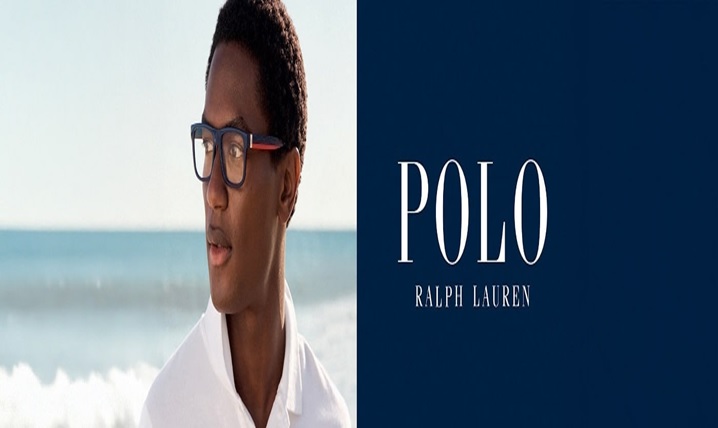
Eyewear has always carried a dual role. On one hand, glasses are essential for vision correction. On the other, they’ve become a clear statement of personal style. The frames we choose say as much about us as the clothes we wear, and in recent years, eyewear has moved from being a quiet necessity to a central part of modern fashion.
The shift towards lifestyle-driven design
In the past, glasses were largely chosen for practicality. People wanted something durable and discreet, often sticking with the same pair for years. Today, the landscape looks very different. Frames are now lifestyle accessories, changing with the seasons much like wardrobes do. Designers pay as much attention to aesthetics as they do to comfort, and that shift has pushed eyewear into the broader style conversation.
The rise of premium labels entering the market has only accelerated this change. Brands that were once known primarily for clothing have extended their vision into eyewear collections, bringing fashion-led designs to people who care about the details. Polo glasses are a prime example: blending classic design with subtle branding, they appeal to wearers who want sophistication without being too loud about it.
Classic styles that never fade
Despite evolving trends, certain frame shapes remain timeless. Round wire rims, for instance, still carry echoes of the intellectual chic made popular in the mid-20th century. Wayfarer-inspired frames also hold their ground, offering a bold outline that suits a variety of face shapes.
The appeal of Polo glasses lies partly in their ability to honour these established forms while refining them for contemporary use. Their collections often feature clean lines, versatile colour palettes, and lightweight materials — qualities that make them dependable for daily wear while retaining a sense of polish.
Materials making a statement
One of the more interesting shifts in eyewear has been the use of new materials. Acetate remains a staple for its strength and the variety of colours it can achieve, but lightweight metals, titanium, and even sustainable options are gaining traction. Some brands are experimenting with recycled materials to reduce environmental impact, while others focus on blending metal and acetate to create hybrid designs.
Frames from designers such as Polo reflect this attention to detail. Their use of premium acetate and carefully finished metals results in pieces that feel durable without compromising comfort. For those wearing glasses all day, the balance of weight and fit becomes just as important as how they look.
The influence of subtle branding
Eyewear has seen a welcome move away from oversized logos. Instead, brands are favouring discreet touches — a small emblem on the temple, or a carefully engraved detail. This works particularly well for people who want recognition without overt flashiness.
With Polo glasses, branding tends to be understated. A small logo on the arm is enough to signal quality, but it doesn’t dominate the design. This approach suits the modern preference for refined elegance, where the cut of the frame and the choice of material are what truly stand out.
Glasses as part of identity
Choosing eyewear is no longer a task carried out once every few years. Many people now own multiple pairs, selecting frames that match their mood, outfit, or occasion. A lighter, more minimal pair might work best in professional settings, while bolder colours or shapes can add personality to weekends and social events.
This flexibility is exactly why designers such as Polo remain popular. Their collections cater to different lifestyles, with frames that shift from subtle to statement-making. Someone might opt for a classic tortoiseshell frame for day-to-day wear, then switch to a more angular design when they want to stand out.
The role of lenses in style and function
While frames tend to attract most of the attention, lenses also play a part in shaping the overall look. Anti-reflective coatings, blue-light filters, and photochromic options aren’t purely functional – they influence how the glasses appear in different lights and settings. For outdoor wear, tinted or polarised lenses bring both protection and a sense of style continuity.
Some ranges of Polo glasses incorporate prescription-ready sunglass options, bridging that gap between practicality and design. For those who want a consistent look across their everyday glasses and their sunglasses, this cohesion has real appeal.
While many modern frames use plastic or polycarbonate lenses for their light weight, some people still prefer the traditional feel of glass. Real glass provides a level of optical clarity that synthetic materials often struggle to match. It is also naturally resistant to scratches, which helps the glasses last much longer in daily use. Choosing Glass Lens Eyewear is a way to prioritize these functional benefits without losing out on style. This choice is especially popular for those who value a crisp view and a more substantial feel to their glasses.
Looking ahead
The future of eyewear is set to keep blurring the line between utility and fashion. Technology will likely play a larger role — from augmented reality integrations to lenses that automatically adapt to lighting conditions. At the same time, the demand for sustainable and ethically produced frames will continue to grow, as more consumers factor in environmental responsibility when making purchases.
Yet, amid innovation, the enduring appeal of well-crafted, stylish frames won’t diminish. Designers who manage to strike the balance between contemporary flair and timeless wearability will stay at the forefront. In this respect, Polo glasses stand as a strong example: classic enough to avoid passing trends, but modern enough to feel relevant season after season.

Comments are closed.