
The Second Skin, Understanding Activewear Fit and Fabric Drape for Different Class Types and Body Shapes

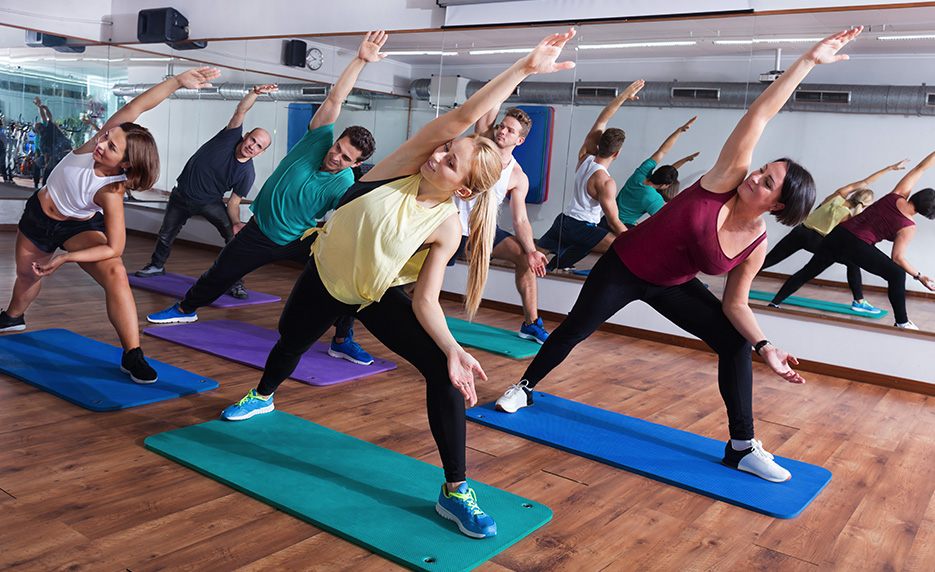
Activewear is often marketed with performance buzzwords, but many people know the real issue is simpler. If your clothes shift, pinch, expose more than you want, or make you self-conscious, your workout suffers. Comfort and confidence affect focus, and that is why choosing the right fit matters just as much as fabric technology. For people attending fitness classes singapore, activewear is not only about style. It is part of how well you move.
This conversation is especially important in group fitness because different classes demand different kinds of movement. What feels great in a yoga class may be distracting in a HIIT session. What works for one body shape may feel awkward on another, even if both people are wearing the same size.
The good news is that there is no single “ideal” activewear body type and no universal best outfit. The goal is to understand drape, compression, support, and cut so you can choose clothing that helps you train without constantly adjusting it.
Why Fit Affects Performance More Than People Admit
When clothing works, you stop thinking about it. That is the point. You can focus on breathing, form, timing, and effort instead of tugging your waistband or checking whether your top is shifting.
When clothing does not work, it creates distraction. Even small distractions matter in class. A rolling waistband can interrupt squats. A low-support top can make running intervals uncomfortable. A neckline that feels too open may make someone hesitant in bending or floor-based movements.
This is not vanity. It is functional comfort.
Confidence matters too. People move differently when they feel secure in what they are wearing. They are more likely to commit to full range of motion, try a new class, and stay mentally present through the workout. The right activewear can make the difference between surviving a class and actually enjoying it.
Understanding Drape vs Compression
Two words can help people make better activewear choices immediately, drape and compression.
Drape refers to how fabric falls and moves over the body. Draped garments can feel airy, relaxed, and forgiving. They may be ideal for lower-impact classes, warm climates, or people who prefer a less body-hugging feel.
Compression refers to garments that fit closer to the body and offer more support. Good compression can feel secure and performance-focused, especially in higher-impact sessions where bounce and movement need to be managed.
Neither is inherently better. They simply serve different needs.
A person doing HIIT or dance cardio may prefer more support and less loose fabric to avoid distraction. The same person may prefer a softer, more relaxed top for yoga or mobility classes where comfort and ease matter more than impact control.
The best wardrobe is not a huge wardrobe. It is a small set of pieces chosen intelligently for your class mix.
Why High-Waisted Bottoms Work for So Many People
High-waisted bottoms remain popular for a reason, and not only because of trends. They work well across many body shapes and class formats because they provide coverage, a secure feel, and a smoother line through the midsection.
In practical terms, they can reduce the constant need to adjust during bending, reaching, and floor transitions. That alone makes them useful in classes with frequent movement changes.
They can also create a feeling of support that helps people move more confidently. This is especially helpful for beginners or anyone returning to exercise after a break, when body confidence may still be rebuilding.
The main detail to check is not just rise height, but waistband construction. A high waist with poor elastic or weak fabric recovery may still roll down. A good waistband stays in place without digging in.
Necklines, Sleeves, and Why Upper-Body Fit Changes the Class Experience
People often focus on leggings first, but tops are where many comfort issues begin. Neckline shape, strap width, and sleeve style can affect confidence and movement more than expected.
A high neckline may feel secure in high-impact classes or for people who prefer more coverage during jumps and forward folds. Scoop and V-neck styles may feel cooler and more flattering for some body shapes, but support and fit become more important if movement is intense.
Sleeve style matters too. Racerback cuts usually allow excellent shoulder range and can be a great choice for lifting, dance, and cardio classes. Short sleeves may feel more comfortable for people who prefer arm coverage, but fabric and seam placement should still allow easy overhead movement.
The most useful question is not, “What is fashionable?” It is, “Can I move freely and confidently in this class without adjusting this top every few minutes?”
That one question saves people a lot of money and frustration.
Choosing Clothes by Class Type, Not Just by Looks
One reason people end up with disappointing activewear is that they shop based on appearance only. A better strategy is to shop based on movement demands.
For yoga and Pilates, people often prefer softer fabrics, flexible waistbands, and tops that stay put in inversions or floor work. Excessively loose tops may ride up in certain positions, so drape should still be practical.
For HIIT, dance cardio, and higher-impact sessions, support becomes more important. Many people prefer closer-fitting bottoms, secure waistbands, and tops with good hold through the chest and shoulders. Fabric that manages sweat and stays opaque under movement is especially useful.
For strength classes, the balance depends on the style. Some prefer compressive leggings and supportive tops for a secure feel. Others like a fitted bottom with a looser top layer. The key is making sure nothing interferes with form or range of motion.
When you think this way, activewear becomes a training tool, not just a shopping category.
The Singapore Climate Factor, Comfort in Heat and Humidity
Singapore’s heat and humidity change the activewear conversation. Fabric feel in air-conditioning is not the same as fabric feel twenty minutes into class.
In humid conditions, breathability, drying speed, and seam comfort matter. A top that feels nice in the changing room may feel heavy once sweat builds. Similarly, some thicker compression fabrics feel supportive but may feel too warm for longer classes.
This does not mean everyone should wear the lightest fabric possible. Some people prioritise support and coverage and are happy to trade a bit of coolness for stability. The better approach is personal testing. Pay attention to how pieces feel in actual classes, not just when trying them on.
A class-based routine also means your wardrobe needs range. You may want one set of pieces for lower-intensity sessions and another for sweaty, high-impact formats. That is normal and practical.
Body Type, Confidence, and Moving Past One-Size-Fits-All Advice
Many activewear guides fail because they assume everyone wants the same silhouette. In reality, people have different comfort zones, body proportions, and movement needs.
Some want more arm coverage. Some want more midsection support. Some want less compression because it feels restrictive. Some want more compression because it makes movement feel secure. None of these preferences are wrong.
A useful activewear strategy starts with honesty, not trends. What makes you feel comfortable enough to move fully? What class types do you actually attend? What parts of fit tend to bother you most?
When people answer these questions honestly, they usually make better choices and waste less money on pieces that look good online but do not work in real training.
This is one of the quiet benefits of a regular class routine. As members spend more time in different formats, they quickly learn what their body needs. In a varied class environment like True Fitness Singapore, that learning happens naturally because different sessions expose different fit problems and fit solutions.
How to Build a Smarter Activewear Rotation
You do not need a huge collection to be well-prepared. A better approach is to build a small rotation with clear roles.
Have at least one reliable high-support set for intense classes. Have one or two comfortable sets for lower-impact or recovery sessions. Make sure at least one top works well for overhead movement and one bottom stays secure during squats and lunges.
Most importantly, test your clothes in movement before judging them. Try a few squats, arm raises, and forward bends. If something already shifts during a quick test, it will probably annoy you in class.
The right activewear should support confidence, not demand constant management.
FAQ
Q: I am self-conscious about my arms. What top style is best for a dance class?
A: Look for a top that gives the coverage you want without restricting shoulder movement. Short sleeves with good stretch or looser-cut performance tops can work well, as long as they do not feel heavy or ride up during movement.
Q: Do I really need different outfits for yoga and HIIT?
A: Not always, but many people find it helpful. Yoga often prioritises comfort and ease of movement, while HIIT usually benefits from more support and a more secure fit. You do not need a large wardrobe, just a few pieces matched to your class types.
Q: How can I tell if leggings will stay in place during squat-heavy classes?
A: Check waistband construction, fabric recovery, and fit during movement tests. Do a few squats, lunges, and bends before buying if possible. If the waistband rolls or slips during simple tests, it is likely to be distracting in class.
Q: Is compression always better for performance?
A: No. Compression can feel supportive and useful in higher-impact sessions, but some people prefer less compression for comfort or mobility-focused classes. The best choice depends on the activity and what makes you feel secure and comfortable.
Q: What matters more, brand or fit?
A: Fit matters more. A well-fitting piece from a less expensive line will usually perform better for you than a premium brand item with the wrong cut or support level.
Q: Why do my clothes feel fine before class but uncomfortable during class?
A: Heat, humidity, sweat, and repeated movement can reveal issues that are not obvious when standing still. That is why real-world testing in your actual class types is more useful than judging fit only in the mirror.

Comments are closed.